Common iron deficiency symptoms include extreme fatigue, pale skin, and shortness of breath; these signs occur because the body lacks enough hemoglobin to transport oxygen effectively. Other frequent indicators include heart palpitations, headaches, and dizziness. Recognizing these persistent signs is crucial for determining when to consult a doctor or increase your consumption of iron rich foods.
Persistent fatigue often masquerades as a simple byproduct of a busy lifestyle, yet for many, the root cause is a silent depletion of iron stores. When your body lacks this essential mineral, cellular oxygenation falters; this leaves you feeling physically drained and mentally fragmented regardless of how many hours you sleep. Understanding these signals is the first step toward restoring your vitality and metabolic health. In this comprehensive guide, we examine the subtle and unusual symptoms of low iron, ranging from brittle nails to cognitive fog. We also explore bioavailable food sources, age specific requirements, and the nuances of strategic supplementation. By the end of this article, you will possess the practical knowledge needed to optimize your iron levels, improve nutrient absorption, and reclaim the energy required for a high performing life.
Understanding the Link Between Iron Deficiency and Persistent Fatigue
Persistent exhaustion that lingers after ten hours of sleep is rarely just a matter of lifestyle. It often points to a biological bottleneck involving iron. Iron serves as the primary building block for hemoglobin, a specialized protein within red blood cells that acts as a transport vehicle for oxygen. When iron levels drop, your body struggles to produce enough hemoglobin, resulting in less oxygen reaching your muscles, brain, and vital organs.
This creates a specific type of cellular fatigue. Unlike the sleepiness caused by a busy week, this is a deep, systemic drain because your cells are essentially gasping for air. You might feel heavy, sluggish, or mentally drained because your mitochondria, the powerhouses of your cells, cannot produce energy efficiently without a steady oxygen supply.
It is important to differentiate between anemia and iron deficiency without anemia. Many people focus only on their red blood cell count, but your ferritin levels, which represent your body's iron storage tank, can be critically low while your hemoglobin remains in the normal range. This stage of depletion still triggers significant iron deficiency symptoms. Identifying these early markers through practical nutrition resources is vital for long-term health. Through knowledgeable guidance at Alvin Health, we help you navigate these nuances and select high quality vitamins and supplements designed for optimal absorption and energy restoration.
Common and Weird Iron Deficiency Symptoms You Should Know
Recognizing iron deficiency symptoms requires looking beyond simple exhaustion to observe how your body compensates for low mineral levels. Common physical signs often involve the cardiovascular system. You might notice heart palpitations, where your heart feels like it is racing or skipping a beat, or shortness of breath during mild exertion. Paleness is another hallmark; it is particularly visible in the skin, gums, or the inside of the lower eyelids, where the lack of red, oxygen-rich hemoglobin is most apparent.
Beyond these standard signs, iron depletion manifests in surprising ways. Research from the University of Utah identifies brain fog as a primary cognitive symptom. This involves a distinct lack of mental clarity and difficulty concentrating that persists even when you are not physically active. Other peculiar markers found in clinical data include:
Pica: A specific craving for non-nutritive substances, most commonly ice (pagophagia), but sometimes dirt, clay, or starch.
Restless Leg Syndrome (RLS): An uncomfortable, crawling sensation in the legs that worsens at night and disrupts sleep.
Koilonychia: Brittle nails that eventually become concave or spoon-shaped.
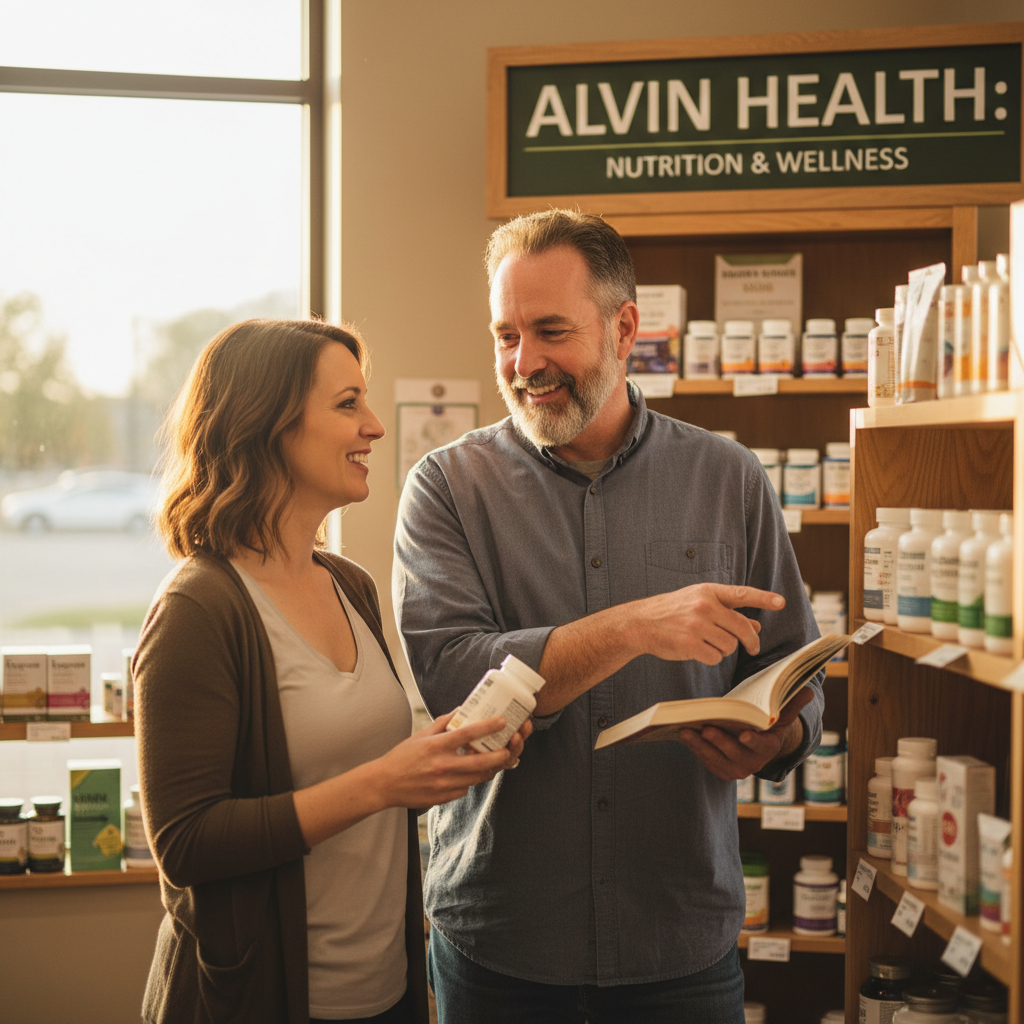
If these signs sound familiar, seeking knowledgeable guidance at Alvin Health can help you determine the next steps for your wellness routine. Understanding these subtle shifts is the first step toward selecting the high quality vitamins and supplements needed to restore balance. Because these symptoms can mimic other conditions, documenting your specific experiences helps create a clearer picture of your nutritional needs.
Low Iron Symptoms in Females: Why Life Stage Matters
Biological transitions significantly influence how iron deficiency symptoms manifest in women. During the menstruating years, monthly blood loss is the primary driver of low iron symptoms female patients often report. When cycles are heavy or frequent, the body may struggle to replenish its iron stores between periods; this often results in a state of chronic depletion that affects mood, focus, and physical stamina.
Pregnancy introduces a different challenge as blood volume expands by nearly 50 percent to support fetal development. This dramatic increase requires a corresponding surge in iron intake to prevent maternal fatigue and support healthy birth outcomes. Conversely, during the transition to menopause, iron requirements typically decrease as menstruation ceases. However, the risk for digestive changes or other underlying health issues can still trigger iron deficiency symptoms in older adults. Seeking knowledgeable guidance at Alvin Health can help clarify these shifting requirements. By utilizing practical nutrition resources, women can better anticipate these transitions and select high quality vitamins and supplements that align with their specific life stage.
Daily Iron Requirements: From Young Adults to Women Over 60
Understanding exact milligram requirements for iron helps prevent both deficiency and toxicity. For women in their 40s who are still menstruating, the Recommended Dietary Allowance (RDA) remains at 18 mg per day to compensate for monthly blood loss. As the transition to menopause occurs, typically around age 51, the requirement drops significantly to 8 mg per day because the body no longer faces that regular depletion.
Age Group | Recommended Daily Iron (mg) | Primary Focus |
|---|---|---|
Women 19 to 50 | 18 mg | Offsetting menstrual loss |
Women 51 to 60 | 8 mg | Menopause transition |
Women Over 60 | 8 mg | Maintaining absorption efficiency |
While the numerical need decreases for women over 60, the risk of iron deficiency symptoms does not necessarily vanish. Aging often brings a decrease in stomach acid production, which is necessary to break down minerals for proper uptake. Furthermore, certain medications common in later life can interfere with mineral utilization. Seeking knowledgeable guidance at Alvin Health ensures you are hitting these targets effectively. Utilizing practical nutrition resources can help you adjust your intake as your biological needs evolve, maintaining your energy through every decade.
The Best Iron Rich Foods: Plant Based and Whole Food Sources

Meeting your daily milligram targets requires understanding the two distinct forms of dietary iron: heme and non-heme. Heme iron, found in animal products like shellfish and lean meats, is highly bioavailable, meaning your body absorbs it easily. Non-heme iron is found in plant based iron rich foods and fortified products. While non-heme iron is absorbed less efficiently on its own, it remains a vital component of a balanced diet, especially for those managing chronic iron deficiency symptoms through whole foods.
Excellent plant-based sources include: - Lentils: A powerhouse legume providing significant iron and fiber. - Pumpkin Seeds: A mineral-dense snack for on-the-go energy. - Spinach: Best consumed cooked to reduce oxalates and increase mineral availability. - Quinoa: A complete protein that also serves as a reliable iron source.
At Alvin Health in Fillmore, we stock several of these shelf-stable staples to support your wellness goals. Utilizing practical nutrition resources can help you integrate these ingredients into daily meals. However, because plant-based iron is more sensitive to your internal environment, it requires a nutritional booster to maximize uptake. This synergy ensures you get the most value from your food, a topic we cover through knowledgeable guidance at Alvin Health when helping customers select high quality vitamins and supplements to bridge any remaining gaps.
How to Boost Iron Absorption Naturally
Optimizing your mineral intake involves more than just selecting the right ingredients; it requires strategic pairing to overcome the natural barriers to absorbing plant-based nutrients. The most effective strategy is leveraging Vitamin C Synergy. Ascorbic acid interacts with non-heme iron to transform it into a more soluble form that the intestinal lining can process more efficiently. Research indicates that pairing iron sources with foods like bell peppers, citrus fruits, or strawberries can double or even triple absorption rates from a single meal.
Conversely, certain compounds act as iron blockers by binding to the mineral before your body can utilize it. Polyphenols and tannins found in coffee and tea are particularly potent inhibitors when consumed alongside a meal. Similarly, high-calcium foods or dairy products can compete with iron for the same absorption pathways. To effectively manage iron deficiency symptoms, aim to consume caffeinated drinks and calcium-rich foods at least two hours away from your iron-heavy meals. For those who find it difficult to balance these factors, knowledgeable guidance at Alvin Health can help you utilize practical nutrition resources to refine your timing or identify when high quality vitamins and supplements are needed to maintain your energy levels.
When to Supplement: Choosing Quality Over Convenience
Dietary adjustments and absorption strategies are fundamental, but they occasionally fall short when iron stores are critically depleted. When a healthcare provider identifies low ferritin levels, a targeted supplement protocol becomes necessary to bridge the gap.
A common question is what boosts iron levels immediately. It is important to manage expectations here; correcting a deficiency is a biological process that takes time. Most individuals need three to six months of consistent supplementation to fully replenish their stores and see a resolution of iron deficiency symptoms.
The form of iron you choose determines your success. Many standard retail options use ferrous sulfate, which often causes nausea, stomach pain, or constipation. This leads many individuals to stop their protocol prematurely. We recommend looking for iron bisglycinate, often labeled as Gentle Iron. This chelated form is bound to amino acids, allowing it to pass through the digestive system more easily while maintaining high bioavailability. If you are unsure which form fits your needs, seeking knowledgeable guidance at Alvin Health can help you navigate our selection of high quality vitamins and supplements. Utilizing these practical nutrition resources ensures you select a product that supports your energy without compromising your digestive comfort.
Reading Supplement Labels Like a Pro for Iron Health
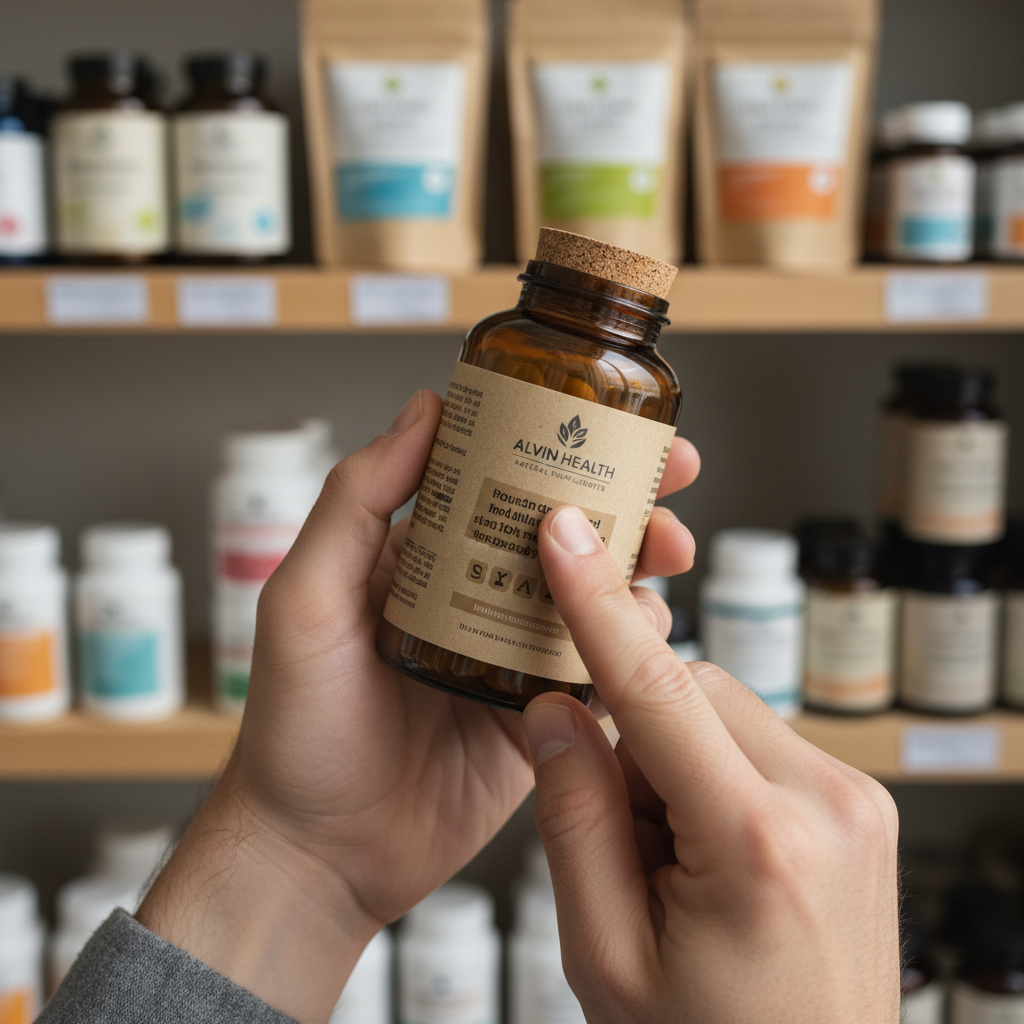
Navigating the supplement aisle requires a discerning eye for the "Supplement Facts" panel. The most critical distinction is between the total compound weight and the elemental iron content. For example, a label might list 325 mg of ferrous sulfate, yet only 65 mg of that is actual elemental iron available for your body to use. Identifying the elemental amount is essential to ensuring you meet specific daily requirements without causing unnecessary digestive strain or falling short of your nutritional goals.
To effectively address iron deficiency symptoms, prioritize formulations that include synergistic co-factors. Vitamin B12 and Folate are particularly vital, as they work alongside iron to support the maturation and function of red blood cells. At Alvin Health, we emphasize transparency and trusted sourcing for every product on our shelves in Fillmore. We meticulously vet brands to ensure the high quality vitamins and supplements we carry provide clear, accurate concentrations. By utilizing our practical nutrition resources and seeking knowledgeable guidance at Alvin Health, you can bypass confusing marketing and select formulations that offer both potency and purity.
Managing your iron levels is essential for maintaining consistent energy and overall health. While dietary changes provide a strong foundation, identifying the specific cause of your fatigue often requires a more personalized approach. If you want expert help optimizing your nutrition and selecting the right supplements, our team is ready to guide you. You can browse our curated Products to discover high quality options designed to support your wellness journey effectively and safely.