
Probiotics are live beneficial bacteria that support digestive and immune health, while prebiotics are non-digestible fibers that act as food for these microorganisms. Understanding the distinction between probiotics vs prebiotics is essential for maintaining a balanced gut microbiome; both work together to improve regularity and boost overall wellness for the whole family.
Many Fillmore residents struggle with persistent digestive discomfort or midday fatigue without realizing the solution often lies in the delicate balance of their microbiome. It is easy to feel overwhelmed by the aisles of supplements at local health stores, especially when the terminology remains vague and marketing claims are conflicting. Understanding the distinction between probiotics and prebiotics is not just a matter of semantics; it is the foundation of a resilient immune system and sustained energy for every member of your household. This guide clarifies the essential relationship between these two components using the seeds and soil analogy. You will discover the specific signs of a gut imbalance, the unique wellness benefits for women, and practical strategies for selecting high quality products that actually deliver physiological results for your family.
Understanding the Difference: The Seeds and the Soil Analogy
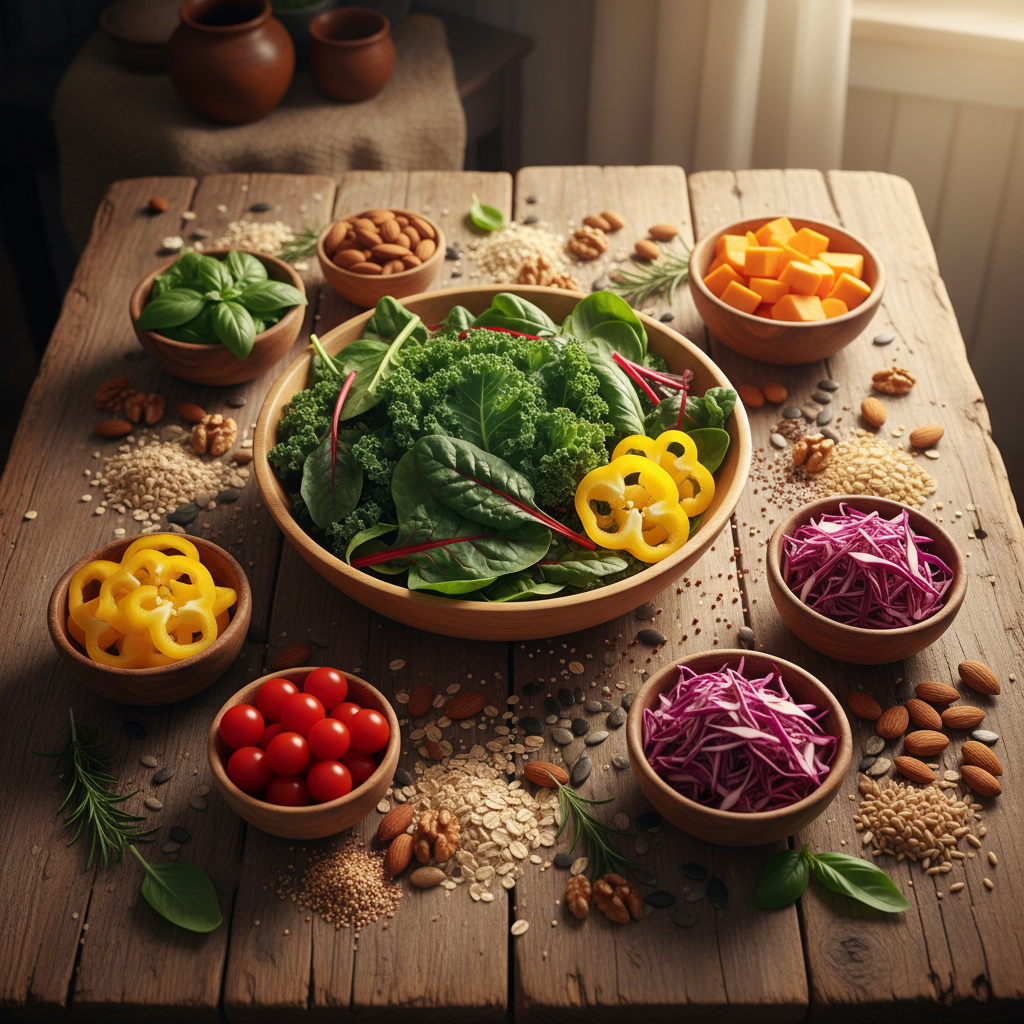
Think of your gut microbiome as a garden. In this environment, probiotics are the seeds you plant. These are the live, beneficial bacteria that contribute to a healthy internal ecosystem. However, a seed cannot thrive in barren ground. This is where prebiotics come in. Prebiotics act as the fertilizer and rich soil. They are specialized, non-digestible fibers that provide the necessary fuel for those beneficial bacteria to grow, multiply, and do their jobs effectively.
When discussing probiotics vs prebiotics, it is important to recognize that they perform entirely different functions. Probiotics introduce new, healthy residents to your digestive tract, while prebiotics nourish the residents that are already there. If you only focus on probiotics without providing the proper soil, those expensive supplements may not have the environment they need to survive. Conversely, feeding a gut that lacks microbial diversity is like fertilizing a patch of dirt with no seeds.
At Alvin Health, we move beyond the common trend of choosing one over the other. Our approach emphasizes the synergy between the two. When you browse our health and wellness products, you will see that we prioritize formulations and whole foods that support this entire lifecycle. Understanding this relationship is the first step toward a more Practical Guide to Fiber and long term digestive balance. By viewing your gut as a living landscape rather than a simple chemistry set, you can make more informed choices about the supplements and foods you bring into your home.
What Are Probiotics and How Do They Support Wellness?
Once these "seeds" are planted, they begin the active work of maintaining your internal environment. Probiotics are live microorganisms that, when consumed in adequate amounts, provide a health benefit to the host. At Alvin Health, we focus on high-quality strains that have been rigorously studied, particularly those within the Lactobacillus and Bifidobacterium families. These are the most prevalent beneficial bacteria in the human body; Lactobacillus primarily inhabits the small intestine, while Bifidobacterium concentrates in the large intestine.
The primary function of these bacteria is to compete with less desirable microbes for space and nutrients. For our customers in Fillmore, this role is particularly vital following a period of illness, a course of antibiotics, or high-stress life events. These factors can deplete your natural bacterial populations, leading to a state of imbalance. Introducing a targeted probiotic helps restore order, ensuring that opportunistic pathogens do not take over the digestive tract. This restoration is a central part of the probiotics vs prebiotics conversation, as you need the live bacteria present before the fiber can do its job.
Beyond basic balance, probiotics offer tangible daily benefits. They assist in breaking down food more efficiently, which often leads to a noticeable reduction in bloating and more consistent, regular bowel movements. However, the benefits are not limited to the gut alone. Emerging science regarding the gut-brain axis highlights a two way communication line between your digestive system and your brain. By supporting a healthy microbiome, you are also supporting the production of neurotransmitters like serotonin, which can positively impact your mood and mental clarity.
When you browse our health and wellness products, you will find that we emphasize strain diversity. Not every probiotic performs the same function. Understanding which specific strain targets your symptoms is essential for lasting wellness. For more details on deciphering these technical terms, you can learn How to Read Supplement Labels Like a Pro to ensure you are getting the specific support your body requires.
Signs Your Gut Needs More Probiotics
When your internal ecosystem is out of balance, a state known as dysbiosis, your body sends clear signals. You might notice persistent gas or bloating that occurs regardless of what you eat. Intense sugar cravings are another common indicator; certain opportunistic bacteria and yeast thrive on simple carbohydrates and can actually influence your food choices to ensure their own survival. Skin issues like unexpected breakouts or patches of redness often reflect inflammation originating in the gut lining.
Identifying the signs probiotics are working is just as important as recognizing the symptoms of a deficiency. As you fine tune your approach to probiotics vs prebiotics, you should notice a steady shift in your daily well being. The first sign is typically increased digestive comfort, characterized by a lack of post meal heaviness and more predictable regularity. As the microbiome stabilizes, many people report a significant boost in midday energy levels because the body is no longer diverted by constant digestive distress. Clearer, more resilient skin is often the final external indicator that your internal garden is flourishing. If you are currently experiencing these imbalances, you can browse our health and wellness products to find targeted formulas designed to restore this vital internal equilibrium.
The Prebiotic Advantage: Why You Can Not Ignore the Food
While probiotics introduce new life to the gut, prebiotics ensure that life has something to eat. To answer the fundamental question of what prebiotics are, they are specialized plant fibers that the human body cannot digest on its own. Unlike the simple starches in a white potato or the sugars in ripe fruit, prebiotics possess a complex molecular structure that remains intact throughout the initial stages of the digestive process.
This structural resilience is what makes them so effective. As we discuss in our Practical Guide to Fiber, these fibers are resistant to the harsh acidity of the stomach and the enzymes of the small intestine. They travel largely untouched until they reach the colon, where they serve as a primary food source for your beneficial bacteria. You can find these compounds naturally in a variety of whole foods, including:
Raw garlic and leeks
Onions and shallots
Slightly under-ripe, green bananas
Asparagus and Jerusalem artichokes
Chicory root
Integrating these foods is a cornerstone of the probiotics vs prebiotics balance, but it requires a nuanced approach. For individuals dealing with Small Intestinal Bacterial Overgrowth (SIBO) or those sensitive to high-FODMAP foods, a sudden influx of prebiotics can lead to significant discomfort, such as sharp abdominal pain or excessive gas. In these cases, it is often necessary to address the bacterial overgrowth before introducing concentrated fiber fuels. If you are unsure how your system will react, you can browse our health and wellness products for gentle prebiotic options or consult with us in-store to tailor a plan that respects your current digestive limits.
Probiotics for Women: Addressing Unique Health Needs

The conversation surrounding probiotics vs prebiotics takes on a specialized dimension when addressing women's health. While gut health is universal, biological women have distinct physiological needs where specific bacterial strains play a protective role. The vaginal microbiome, much like the gut, requires a dominant population of Lactobacillus to maintain an acidic pH and prevent the overgrowth of opportunistic pathogens. Research highlights that specific strains, such as Lactobacillus rhamnosus and Lactobacillus reuteri, can effectively colonize the vaginal tract to support urinary health and reproductive balance.
For women over 50, the focus often shifts toward maintaining bone density and managing the systemic effects of hormonal changes. As estrogen levels fluctuate during menopause, the diversity of the gut microbiome can decline, directly impacting how the body absorbs vital minerals like calcium and magnesium. A robust microbiome acts as a gatekeeper, ensuring these nutrients are processed efficiently rather than passing through the system unused. Jason Goble emphasizes that the efficacy of these targeted strains depends entirely on quality sourcing and stability. When you browse our health and wellness products, you will find formulations that prioritize live culture survivability. We select products that move beyond generic blends to address these specific life stages, ensuring that your supplement routine provides the precise support your body requires as it matures.
Should You Take Prebiotics and Probiotics Together?
Taking prebiotics and probiotics together is not only safe; it is the most effective way to maximize the benefits of both. This synergistic relationship is known as "synbiotics," a term used to describe supplements or food combinations where the prebiotic fiber specifically supports the survival and growth of the accompanying probiotic strain. By providing the fuel and the bacteria simultaneously, you increase the likelihood that the beneficial microbes will successfully colonize your gut.
In a daily routine, this synergy can be achieved through simple food pairings. For a morning meal, try combining plain Greek yogurt, which is a natural probiotic source, with a sliced, slightly green banana for its prebiotic resistant starch. For dinner, pairing a serving of raw sauerkraut with a side of steamed asparagus provides a similar benefit. The prebiotic fibers in the banana and asparagus act as a substrate, helping the live cultures in the fermented foods thrive as they enter your digestive system.
Understanding the interaction between probiotics vs prebiotics helps you move beyond random supplementation toward a more deliberate health strategy. If you prefer the convenience of a single capsule, you can browse our health and wellness products to find high quality synbiotic formulas designed for maximum stability and efficacy. These targeted combinations take the guesswork out of timing, ensuring your gut receives the right support in a single dose.
How to Choose Quality Gut Health Products in Fillmore
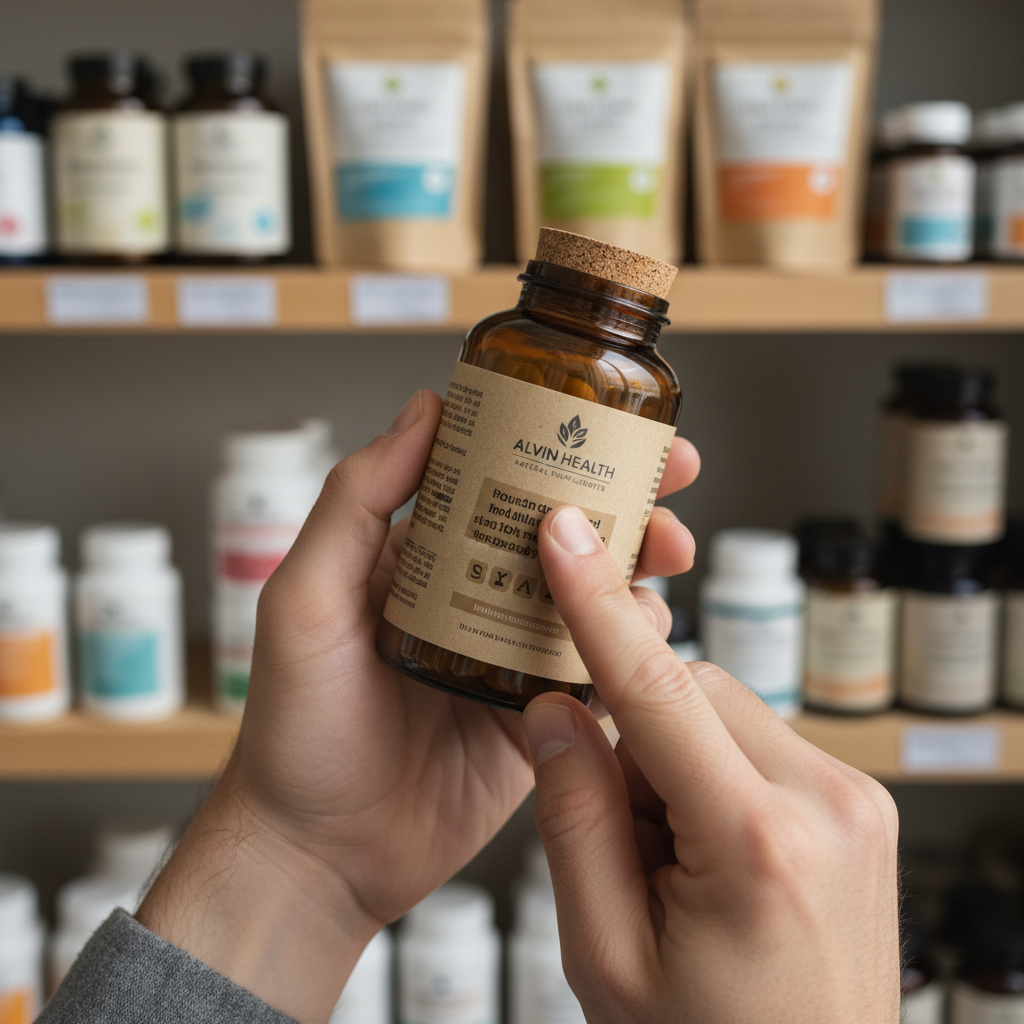
Navigating the probiotics vs prebiotics market requires a sharp eye for detail that goes beyond the marketing claims on the front of the bottle. At Alvin Health, we help our Fillmore neighbors look for three critical markers on every supplement label. First is the CFU (Colony Forming Units) count, which indicates the number of live organisms. Second is strain diversity; a high quality product lists specific strain identifiers, like Lactobacillus acidophilus La-14, rather than just the generic genus and species. Finally, always check for a "potency at expiration" date rather than a "time of manufacture" date to ensure the bacteria are still active when you consume them.
When you browse our health and wellness products, you will see we curate only shelf stable or properly refrigerated options that meet these strict benchmarks. For a deeper dive into these technical details, you can learn How to Read Supplement Labels Like a Pro. Unlike big box retailers that prioritize volume over individual results, we believe personal guidance is vital because every microbiome is unique. We invite you to stop by our store in Fillmore to discuss your specific health goals, as finding the right balance often requires a customized approach rather than a one size fits all solution.
Navigating the world of probiotics and prebiotics is a vital step toward maintaining your family's long term digestive health. While a balanced diet provides a strong foundation, every individual has unique nutritional requirements. If you want expert help finding the right supplements to bridge the gap, feel free to browse our specialized Products. We are committed to helping you make informed decisions that support your wellness journey, ensuring every member of your household feels their very best.