Zinc is a vital mineral that strengthens the immune system, accelerates wound healing, and supports metabolic health and DNA synthesis. Key zinc benefits include improved blood sugar management, better skin health, and a reduced risk of age-related eye diseases. Obtaining this nutrient through oysters, red meat, or supplements helps the body regulate hormones and maintain overall wellness.
Many health conscious individuals find themselves doing everything right, eating clean and sleeping well; yet, they still struggle with persistent seasonal bugs or sluggish recovery times. This frustration often stems from a hidden deficiency in zinc, a trace mineral that acts as a silent architect for your cellular health. While it is essential for over 300 enzymatic processes, the body cannot store zinc. This makes consistent daily intake nonnegotiable for maintaining peak vitality. In this guide, we will break down the physiological necessity of zinc and its unique benefits across different demographics. You will learn to recognize the subtle signs of deficiency, identify the most bioavailable food sources, and master the nuances of timing and dosage for supplementation. By the end, you will have a clear, evidence based roadmap for integrating this powerhouse mineral into your family’s wellness protocol.
What Is Zinc and Why Does Your Body Need It?
Zinc is an essential trace mineral that serves as a cornerstone for human health. Unlike some nutrients that the body can synthesize or store for later use, zinc must be consumed through whole foods and vitamins on a regular basis. It is classified as essential because our biological systems cannot produce it, and trace because we only require small amounts to maintain optimal function.
Its impact is wide ranging. Zinc acts as a catalyst for over 300 enzymatic reactions, influencing everything from digestion to nerve function. On a microscopic level, it is vital for DNA synthesis and cell division; these are the fundamental processes that allow the body to repair tissues and sustain growth. While many people in Fillmore recognize zinc primarily for its role in seasonal wellness, there is a distinct difference between daily maintenance and targeted supplementation.
A baseline daily intake is necessary for metabolic balance and steady energy. Conversely, during periods of acute stress or seasonal illness, individuals often turn to higher, short term doses to support a rapid immune response. Even a minor deficiency can disrupt these complex pathways, leading to noticeable shifts in vitality for families striving to maintain wellness habits and guides. Providing your body with a consistent supply is a simple yet profound way to support long term health through nutrition-focused health and wellness.
The Core Health Benefits of Zinc

Understanding the specific zinc benefits for your body helps clarify why this mineral is a staple in many wellness routines. Its most recognized role is within the immune system, where it acts as a critical signaling molecule for T-lymphocytes, or T-cells. These cells are the primary responders responsible for identifying and neutralizing pathogens. Without sufficient zinc, T-cell activation slows down, leaving the immune response sluggish and leaving the body more vulnerable to prolonged seasonal stressors.
Beyond internal defense, zinc is a primary driver of skin integrity and repair. It is essential for collagen synthesis and inflammatory control, making it a key tool for managing acne and other inflammatory skin conditions. By regulating oil gland activity and reducing the redness associated with chronic skin flare-ups, zinc helps maintain the skin’s natural protective barrier. This same mechanism powers wound healing; the body naturally concentrates zinc at the site of an injury to facilitate cell membrane repair and the production of new tissue.
Another unique aspect of zinc involves its influence on sensory health. The enzyme responsible for your ability to taste and smell, known as carbonic anhydrase, is zinc dependent. A sudden decline in the ability to enjoy the flavor of whole foods and vitamins is often one of the first physiological indicators that zinc levels have dropped below an optimal threshold.
While these are the primary functions, zinc also provides vital support for metabolic and cardiovascular systems. It plays a foundational role in the way the pancreas stores and secretes insulin, which is necessary for steady blood sugar management. Furthermore, its antioxidant properties help mitigate oxidative stress within the blood vessels, supporting long term heart health. By incorporating these biological insights into your wellness habits and guides, you can better appreciate how this trace mineral maintains the delicate balance of your daily vitality.
Zinc Benefits for Men and Women: Is There a Difference?
While the foundational needs for zinc are universal, specific physiological requirements differ between men and women. For men, zinc is highly concentrated in the prostate gland; maintenance of these levels is vital for long term prostate health and function. It also acts as a critical co-factor in the production of testosterone. Research indicates that low zinc levels are often linked to reduced serum testosterone, which can impact energy and muscle mass. Furthermore, zinc is essential for sperm quality, specifically influencing count and motility, making it a priority for reproductive health.
For women, the mineral plays a pivotal role in maintaining hormonal balance by supporting the proper release of estrogen and progesterone. This balance is fundamental for regular cycles and overall mood stability. During pregnancy, zinc requirements increase significantly to support the rapid cell division and DNA synthesis required for fetal development. Beyond reproduction, women often prioritize zinc for its role in bone density. It aids in bone mineralization, working alongside other minerals to maintain skeletal strength over time. By tailoring intake to these specific biological needs, families in Fillmore can develop more effective wellness habits and guides that address the unique health trajectories of every household member. This targeted approach is a core element of nutrition-focused health and wellness.
Recognizing the Signs of Zinc Deficiency
Identifying when your body has fallen below the necessary threshold for these functions is the next step in maintaining a balanced household. A zinc deficiency often presents through subtle, physical cues that might be dismissed as general fatigue or seasonal changes. One of the most common indicators is a recurring susceptibility to illness; if you find yourself catching every cold that passes through Fillmore, your immune signaling may be compromised.
Less obvious symptoms can be equally telling. Many people notice small white spots on their fingernails, a condition often linked to mineral imbalances. You might also experience a persistent mental fatigue or brain fog that interferes with daily tasks, or a sudden loss of appetite. Thinning hair and skin abrasions that seem to take an unusually long time to close are also hallmark signs that your levels have dipped. While the zinc benefits discussed previously focus on optimization, identifying these red flags is about preventing a decline in long term vitality.
Certain individuals face a higher risk of depletion. Those with gastrointestinal conditions, such as Crohn’s or celiac disease, often struggle with mineral absorption regardless of their diet. Vegetarians and vegans may also need to be more vigilant, as plant based diets require careful planning to ensure adequate intake from whole foods and vitamins. Additionally, individuals living in high stress environments often burn through mineral stores more rapidly. Recognizing these risks allows for a more proactive approach to nutrition-focused health and wellness and helps you tailor your wellness habits and guides to meet your body's specific demands.
Top Food Sources: Getting Your Zinc Naturally

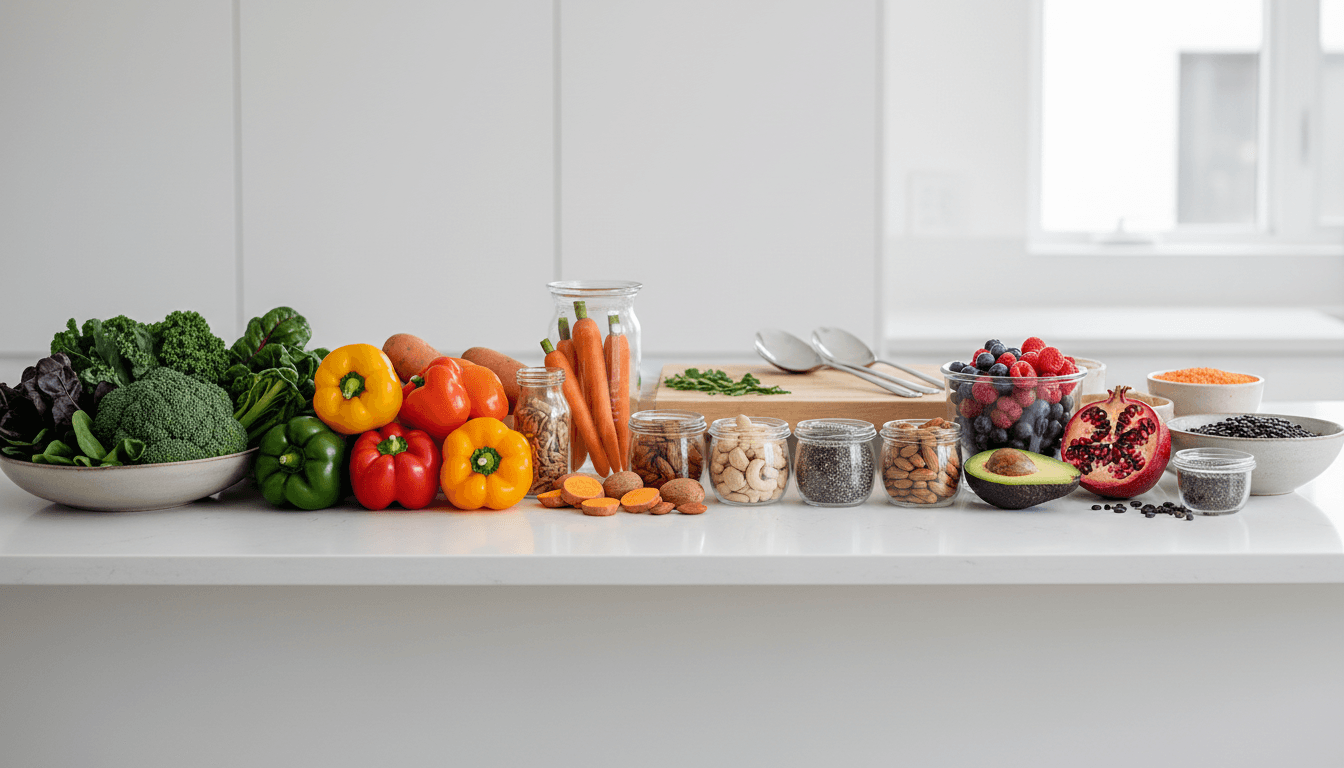
Addressing a deficiency or maintaining optimal levels begins with prioritizing nutrient-dense whole foods and vitamins. The bioavailability of zinc, or how easily your body absorbs it, varies significantly depending on the food source. Animal-based products generally offer the highest concentration and absorption rates. Oysters are the premier source, containing more zinc per serving than any other food. For those who do not consume shellfish, red meats such as beef and lamb are excellent alternatives, followed by poultry and pork.
For families focusing on plant-based nutrition-focused health and wellness, several staples provide reliable amounts of this mineral. Incorporating these into your diet helps secure the long term zinc benefits mentioned previously.
Food Source | Typical Serving Size | Zinc Content (Approximate) |
|---|---|---|
Oysters (cooked) | 3 oz | 74 mg |
Beef (braised) | 3 oz | 7 mg |
Pumpkin Seeds | 1 oz | 2.2 mg |
Cashews (raw) | 1 oz | 1.6 mg |
Chickpeas (cooked) | 1/2 cup | 1.3 mg |
Lentils (cooked) | 1/2 cup | 1.2 mg |
A critical factor in plant-based nutrition is the presence of phytates. These are naturally occurring compounds in seeds, grains, and legumes that bind to zinc and prevent it from being absorbed in the small intestine. To navigate this, practical kitchen techniques are essential. Soaking dried lentils or chickpeas overnight, sprouting seeds, or using leavened grain products can significantly reduce phytate levels. These traditional preparation methods unlock the minerals, making your wellness habits and guides more effective for daily energy and balance.
Smart Supplementation: Dosage, Timing, and Forms
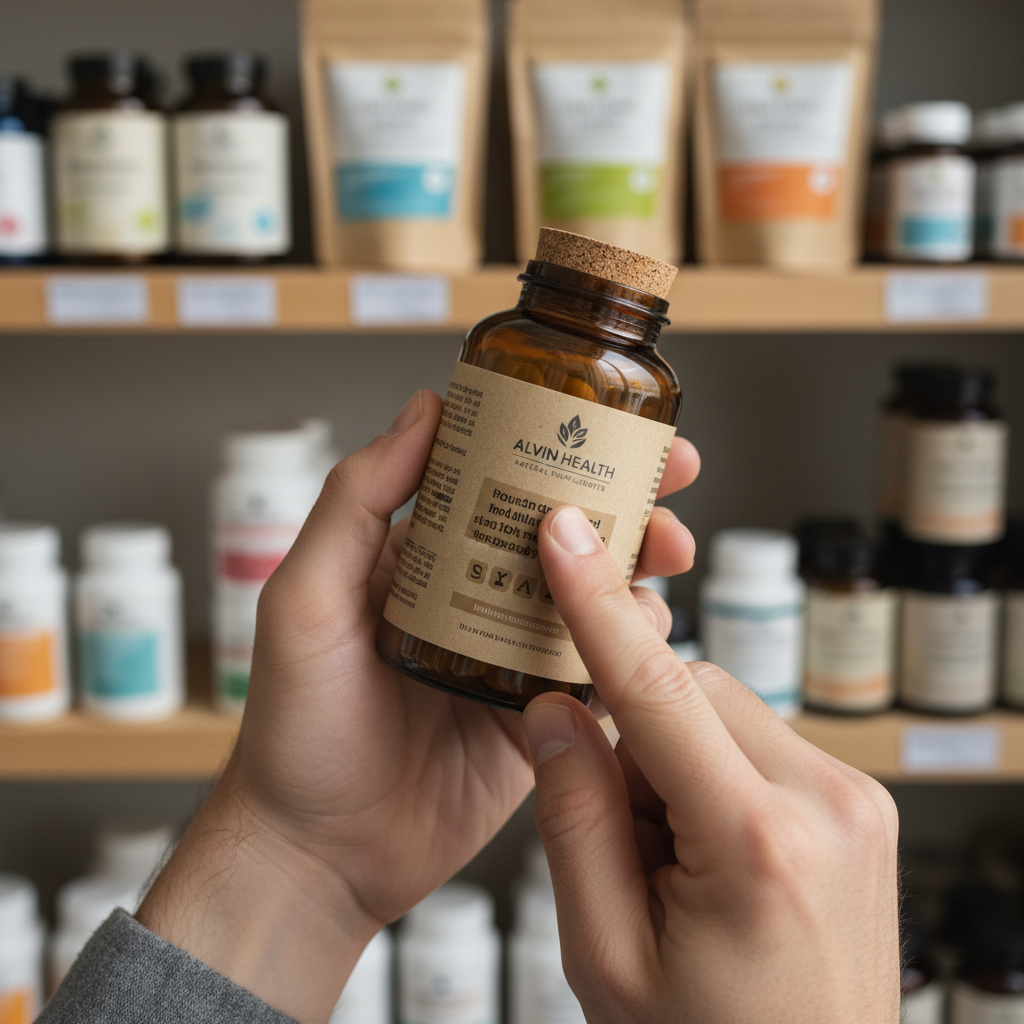
While optimizing whole foods and vitamins is the first line of defense, strategic supplementation fills the gaps when dietary intake or absorption is compromised. For those wondering when to take zinc for maximum benefit, timing matters. The best time of day for most people is with a meal, particularly a lunch or dinner that does not include high calcium foods like dairy. Calcium can compete for the same absorption pathways in the small intestine, potentially reducing the efficacy of your supplement. Taking zinc on an empty stomach often leads to acute nausea, a common side effect that is easily avoided by pairing the dose with a balanced meal.
Selecting the right form is equally important for effective nutrition-focused health and wellness. At Alvin Health, we focus on forms that prioritize bioavailability. Zinc picolinate is frequently recommended because the body absorbs picolinic acid quite efficiently. Zinc citrate and zinc gluconate are also reliable, well tolerated options that serve as excellent staples for a daily routine. In contrast, zinc oxide is generally less preferred for internal use due to its significantly lower absorption rate.
Dosage requires a nuanced approach based on your current health goals. For daily maintenance, adult men generally require 11 mg and women require 8 mg. When using lozenges to address the onset of a cold, temporary doses may reach 80 to 90 mg to saturate tissues. However, these high doses must remain short term. The tolerable upper intake level is 40 mg per day for adults. Exceeding this limit chronically can lead to copper depletion, which disrupts iron metabolism and long term immune function. Incorporating these safety guardrails into your wellness habits and guides ensures you harness zinc benefits without creating new mineral imbalances.
Choosing the Right Zinc for Your Family at Alvin Health

Navigating the selection at Alvin Health in Fillmore requires an understanding of what makes a supplement truly effective. We curate specific brands that emphasize ingredient transparency, ensuring that every bottle of whole foods and vitamins aligns with our strict quality standards. When evaluating options, look for formulations free from artificial dyes and unnecessary synthetic fillers. These additives offer no nutritional value and can sometimes interfere with sensitive digestive systems.
Our team provides knowledgeable guidance to help you safely integrate these minerals into your wellness habits and guides. By choosing high quality, clean sources, you maximize the zinc benefits for your household while supporting a lifestyle rooted in nutrition-focused health and wellness. This commitment to quality ensures your family receives only the necessary nutrients required to maintain long term vitality and daily balance.