Most adults should consume 0.8 grams of protein per kilogram of body weight, or approximately 0.36 grams per pound. To determine exactly how much protein per day you require, consider your activity level and health goals; active individuals or those seeking weight loss often need between 1.2 and 2.0 grams per kilogram. Spreading your intake across meals by aiming for 15 to 30 grams per serving can help you meet these daily targets effectively.
Most people understand that protein is essential, but few know exactly how much their specific body requires to thrive. You might find yourself caught between outdated government guidelines and aggressive fitness trends, leaving you unsure if you are eating enough to maintain muscle or support your metabolism. This confusion is more than an inconvenience; it can lead to fatigue, loss of lean mass, and decreased longevity. In this guide, we clarify the distinction between surviving and thriving by comparing the RDA to optimal intake levels. We will provide a specific framework to calculate your personalized targets, explore why protein needs shift significantly after age fifty, and identify the subtle signs of deficiency. From diverse whole food sources to the strategic use of supplements, you will gain the practical tools needed to optimize your intake for long-term health.
Understanding the RDA vs Optimal Protein Intake
To determine how much protein per day your body requires, you must first distinguish between a baseline for survival and a target for thriving. The Recommended Dietary Allowance (RDA) is the most cited figure in nutrition, currently set at 0.8 grams of protein per kilogram of body weight, or approximately 0.36 grams per pound. For a person weighing 150 pounds, this calculates to about 54 grams daily. While this number is scientifically grounded, it represents the minimum amount necessary to prevent basic nutrient deficiency and avoid illness. It is not designed to be the goal for those seeking optimal energy levels, longevity, or metabolic health.
At Alvin Health, we view the RDA as a biological safety net rather than a performance standard. If your goals include maintaining lean muscle mass, supporting a robust immune system, or ensuring steady energy throughout the day, this survival dose often falls short. Modern research suggests that as we age or increase our physical activity, our physiological demand for amino acids rises beyond what is required to simply avoid a deficiency state.
Relying solely on the RDA can lead to subtle signs of inadequacy over time, such as slower recovery from exercise or diminished muscle tone. When selecting high-quality nutrition products to bridge this gap, it is essential to focus on nutrient density and bioavailability. While 54 grams might keep a 150 pound individual healthy in a clinical sense, active residents in Fillmore frequently find that their bodies function significantly better on a more robust intake. Understanding that your specific needs likely exceed the absolute minimum is the first step toward a more effective, long term wellness strategy.
How to Calculate Your Personalized Protein Target

Transitioning from a survival baseline to a personalized target requires an honest assessment of your daily physical demands. While the RDA provides a flat number, your actual requirement fluctuates based on your activity level and specific metabolic goals. To determine your range, categorize your lifestyle into one of the following tiers:
Sedentary: 0.8g per kg of body weight. This is for individuals with minimal physical activity or desk bound occupations.
Moderately Active: 1.0 to 1.2g per kg of body weight. This applies if you walk regularly, practice yoga, or engage in light exercise a few times a week.
Athletic or Building Muscle: 1.6 to 2.2g per kg of body weight. This higher range is necessary for those lifting weights, training for endurance events, or performing consistent manual labor.
A frequent question we encounter is how much protein per day to lose weight effectively. When you are in a calorie deficit, your body may look to break down muscle tissue for energy. Consuming protein at the higher end of your activity tier, often between 1.5 to 2.0g per kg, helps signal the body to preserve lean muscle while burning fat. This preservation is vital for keeping your metabolic rate high and ensuring that weight loss comes from fat stores rather than functional tissue.
To calculate your own number, first divide your weight in pounds by 2.2 to find your weight in kilograms. Then, multiply that number by your chosen activity factor. For example, if a moderately active person weighs 165 pounds:
165 lbs ÷ 2.2 = 75 kg
75 kg × 1.2g = 90 grams of protein daily.
If you find these calculations confusing or want help fine tuning your goals based on your current health status, you can contact us for guidance at our Fillmore location. We focus on helping you find the right balance between whole food sources and targeted supplementation to meet these targets efficiently.
Why Protein Needs Change for Adults Over 50

Determining how much protein per day is necessary for healthy aging requires looking beyond the standard RDA. As we pass the age of 50, the body enters a state often described as anabolic resistance, where it becomes less efficient at processing amino acids into new muscle tissue. To counteract this decline, research from institutions like Stanford suggests increasing intake to a range of 1.2 to 1.6 grams per kilogram of body weight.
This adjustment is not merely about energy levels; it is a clinical strategy to prevent sarcopenia, the age-related loss of muscle mass that can lead to frailty and decreased mobility. For a 70 year old woman or man in Fillmore, maintaining physical strength is a vital component of long term wellness and independence. Achieving this requires making every meal more intentional, focusing on high quality sources that the body can readily absorb rather than relying on empty calories.
Protein alone is only half of the equation for seniors. When combined with regular resistance training, a higher protein intake signals the body to maintain and repair functional tissue more effectively. At Alvin Health, we emphasize that quality matters just as much as quantity. You can read more about our sourcing standards to see how we select products that avoid artificial additives, ensuring that your increased protein intake supports your health goals without compromising your digestive system or metabolic balance.
Five Signs You Might Be Protein Deficient
Recognizing the physical cues of inadequacy is essential when fine tuning how much protein per day your lifestyle requires. When intake falls below your physiological demand, the body prioritizes vital organ function by diverting amino acids away from less critical structures. This internal triage often manifests through five distinct warning signs:
Persistent Hunger: Protein is the most satiating macronutrient, influencing the hormones that signal fullness. If you find yourself reaching for snacks shortly after a meal, it is likely that your previous plate lacked sufficient protein density to stabilize blood sugar.
Brittle Hair, Skin, and Nails: These tissues are primarily composed of proteins like keratin, collagen, and elastin. When you are deficient, hair may thin, nails may become ridged or brittle, and skin may lose its elasticity.
Loss of Muscle Tone: Without adequate amino acids, the body begins to break down its own muscle tissue to fuel essential processes. You might notice a decrease in strength or a softer physical appearance, even if your weight remains stable.
Slow-Healing Injuries: Protein is the fundamental building block for tissue repair. Lingering soreness after a workout or cuts and bruises that take weeks to heal are common indicators that your recovery resources are depleted.
Frequent Illness: Your immune system relies on proteins to produce antibodies. A deficiency can lead to a weakened defense, making you more susceptible to every cold or seasonal bug that circulates through the community.
Many people mistake the resulting fatigue or "brain fog" for a need for more caffeine or sugar. However, those quick fixes often lead to energy crashes. If you are experiencing these symptoms, it may be time to contact us for guidance on adjusting your intake. Addressing the root cause with high-quality nutrition products and whole foods provides a more sustainable path to clarity and energy than another cup of coffee.
Whole Food Protein Sources Beyond the Meat Aisle

Addressing a deficiency requires more than just increasing food volume; it requires a strategic focus on protein density. This metric refers to the amount of protein a food provides relative to its total caloric content. When you are calculating how much protein per day you need for muscle maintenance or weight loss, choosing foods with high protein density allows you to hit your targets without accidentally overconsuming calories.
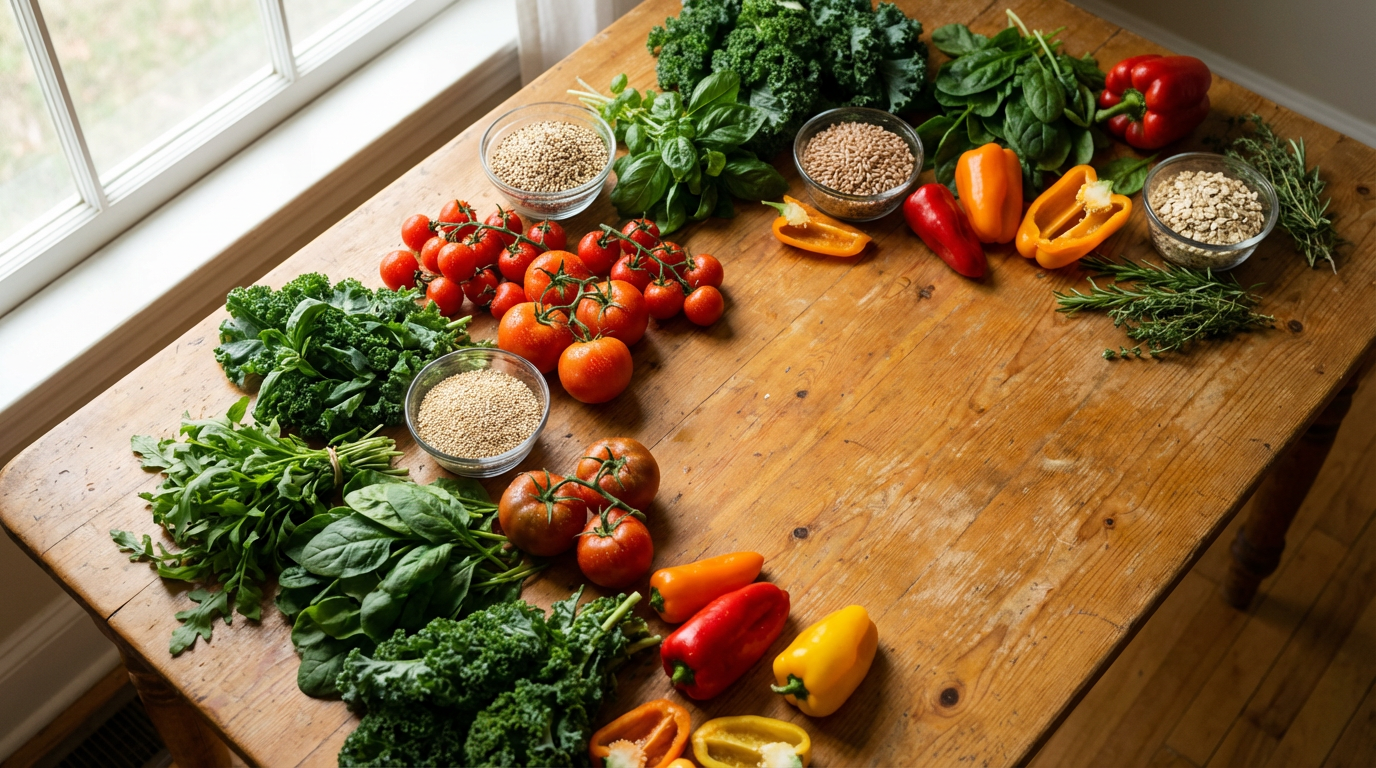
For plant based shoppers and those looking to diversify their plates, legumes and ancient grains are essential staples. Lentils and chickpeas offer a robust combination of fiber and protein, while quinoa is a standout for being a complete protein, meaning it contains all nine essential amino acids the body cannot produce on its own. In our Fillmore store, we prioritize these alongside nutrient dense seeds and nuts that are often overlooked.
Food Source (100g portion) | Protein Content | Caloric Density |
|---|---|---|
Lentils (Cooked) | 9g | Low |
Greek Yogurt (Plain) | 10g | Low |
Pumpkin Seeds | 19g | High |
Quinoa (Cooked) | 4g | Moderate |
Hemp Hearts | 31g | High |
Meat eaters can also find significant value beyond traditional cuts of beef or poultry. Plain Greek yogurt and eggs are highly bioavailable sources that integrate easily into daily meals. We also encourage the Fillmore community to explore high quality nuts like almonds and walnuts, or seeds like hemp and pumpkin seeds, which provide protein alongside heart healthy fats. When selecting these items, we recommend looking into about our sourcing standards to ensure you are choosing products free from inflammatory oils or unnecessary additives. By focusing on these high-quality nutrition products, you can meet your daily requirements while supporting your body’s long term metabolic health.
The Role of Supplements: When Whole Foods Aren't Enough
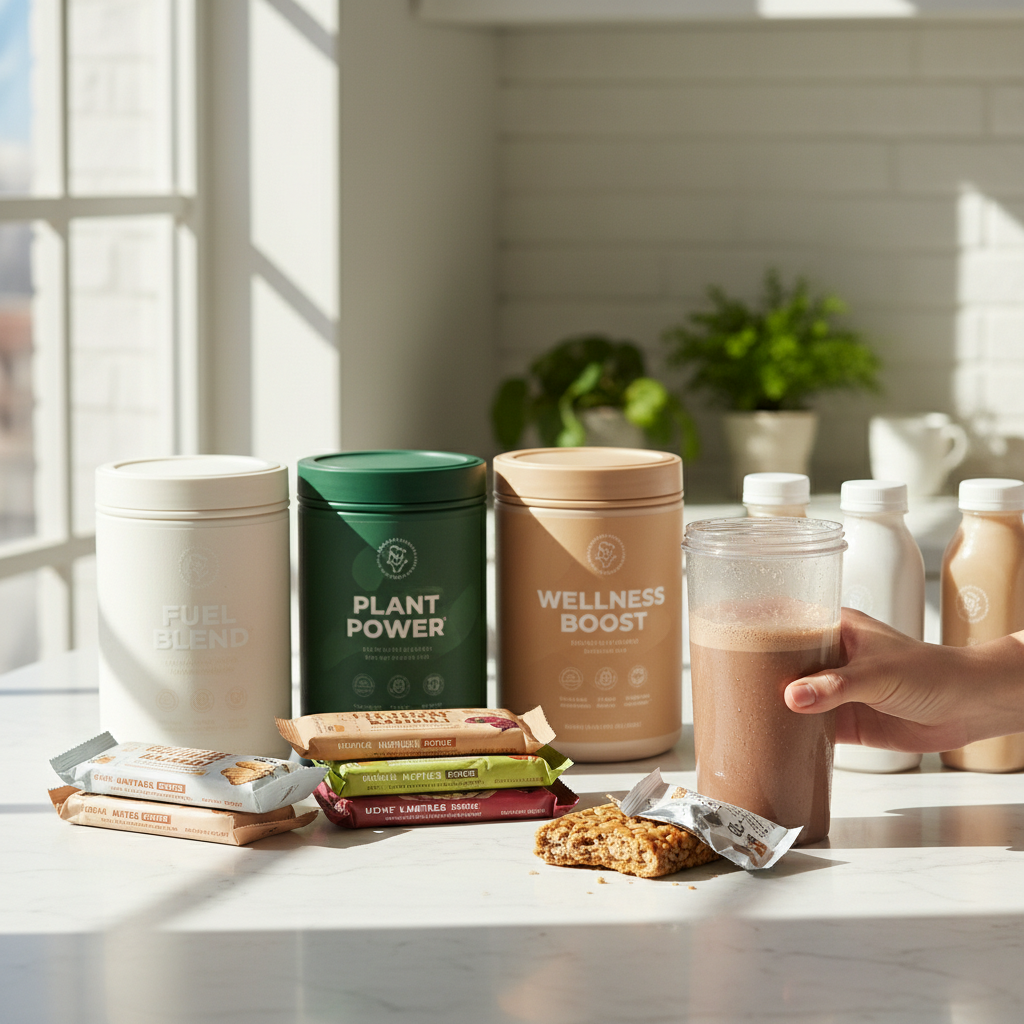
Relying solely on whole foods is the ideal approach, yet the logistical reality of modern life often creates a gap between your intake and your physiological requirements. For individuals with increased athletic demands or those managing a hectic schedule in Fillmore, supplements act as a critical safety net. They ensure that even on days when meal prep falls behind, you can still reach your target for how much protein per day without resorting to processed snacks.
A common inquiry involves how much protein powder per day is appropriate for a standard routine. Generally, one scoop providing 20 to 25 grams of protein serves as an effective supplement. It is important to view this as an addition to your existing meals rather than a total meal replacement. Concentrating the bulk of your nutrition in whole food sources allows the powder to function as a convenient tool to hit that final 20 percent of your daily goal.
At Alvin Health, we prioritize purity over convenience. Many commercial powders are laden with artificial sweeteners, thickeners, and industrial fillers that can disrupt digestion. When selecting high-quality nutrition products, look for transparent labels and minimal ingredient lists. Our commitment to about our sourcing standards means we only offer options that provide clean, bioavailable amino acids. This ensures your body can actually utilize the protein to repair tissue and support metabolism without the burden of unnecessary additives.
Practical Tips for Meeting Your Daily Goal in Fillmore
Establishing a routine in Fillmore is easier when you treat protein as a throughout-the-day priority. Reaching a goal of 100 grams of protein a day feels manageable when you distribute it across three meals and two snacks, rather than overloading a single dinner. For instance, pairing a breakfast of Greek yogurt with a midday snack of pumpkin seeds ensures your muscles have a steady supply of amino acids. Our team at Alvin Health is here to help you navigate these choices.
You can contact us for guidance on creating a plan that fits your schedule, or stop by to talk with Jason about specific high-quality nutrition products available in-store. We focus on transparency, and you can learn more about our sourcing standards to see how we select items that support your long term metabolic health. By focusing on small, consistent additions and utilizing local resources for meal prep, you make reaching your daily protein target a sustainable part of your lifestyle.