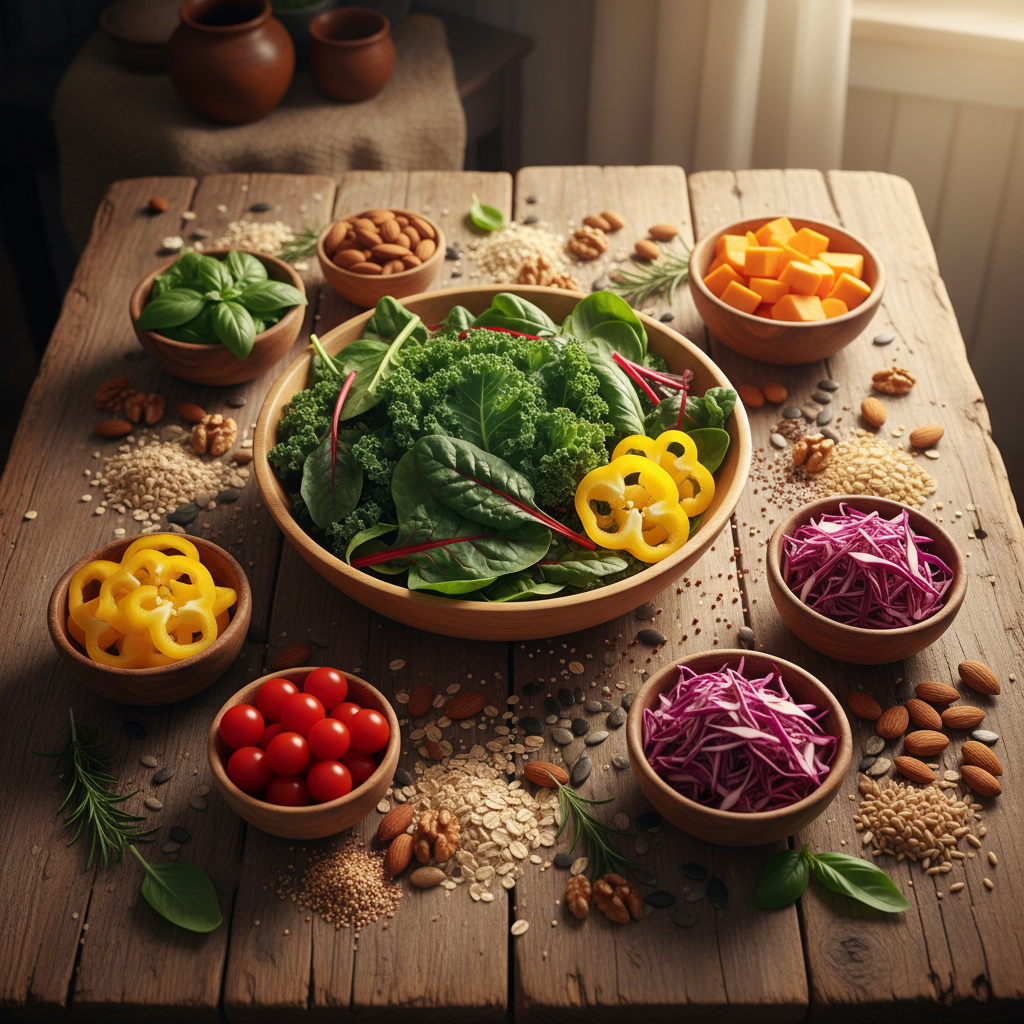
Fiber is emerging as the primary fiber nutrition trend 2026 as consumers shift their focus toward gut health, natural satiety, and holistic metabolic wellness. Success with this trend requires prioritizing clean ingredients and natural whole foods, such as hearts of palm, rather than relying on gimmicky or highly processed supplements.
Most people understand that fiber is essential, yet many continue to struggle with persistent bloating, inconsistent energy, and the frustration of navigating a saturated supplement market. As we approach 2026, fiber has transitioned from a dietary afterthought to a central pillar of metabolic health; however, this shift has also invited a surge of misleading marketing and processed shortcuts. At Alvin Health, we focus on the physiological realities of gut health rather than passing industry fads. This guide provides a clinical perspective on the science of satiety and the microbiome. You will learn how to establish precise daily targets, identify authentic whole food sources, and recognize the subtle signs of fiber washing in modern food labeling. We will also outline a strategic approach to supplementation and offer practical insights for optimizing your intake to achieve sustained, measurable wellness results.
Why Fiber is Taking Center Stage in 2026
For the past decade, the wellness conversation was dominated by an almost singular obsession with protein. While protein remains a critical building block, the fiber nutrition trend 2026 signals a much-needed shift toward metabolic stability and systemic balance. We are seeing a move away from the restrictive protein-only mindset toward "fiber-maxxing," a term popularized by those seeking to optimize gut health and microbiome diversity through intentional, high-fiber food choices.
Industry leaders, including Whole Foods and EatingWell, have highlighted fiber as the standout nutrient for the current health landscape. This surge in interest is largely driven by a growing public awareness of how dietary fiber feeds beneficial gut bacteria, reduces inflammation, and regulates blood sugar levels. Consumers are increasingly looking for ways to support their metabolic health without the side effects of more aggressive interventions.
At Alvin Health, we see this not as a passing fad, but as a long-overdue recognition of a foundational nutrient. In our Fillmore store, we have always prioritized whole foods and high-quality ingredients that support the body's natural processes. This year's focus on fiber aligns perfectly with our commitment to providing the community with wellness resources that promote sustainable health rather than quick-fix solutions. Fiber is finally getting its due, and the benefits extend far beyond simple digestion.
The Science of Satiety and Gut Health
Understanding the biological mechanics of fiber explains why it has become the cornerstone of the fiber nutrition trend 2026. To grasp its impact, we must first distinguish between its two primary forms. Soluble fiber dissolves in water to create a gel-like substance in the digestive tract. This process slows the absorption of sugar and cholesterol, providing the metabolic stability many are seeking today. In contrast, insoluble fiber remains intact as it moves through the digestive system; it acts as a mechanical aid that supports regular bowel movements and prevents stagnation.
The true power of fiber lies in its role as a prebiotic. When you consume plant fibers, your gut microbiome ferments them into short-chain fatty acids (SCFAs) such as butyrate, acetate, and propionate. These compounds are vital; they strengthen the gut barrier and actively reduce systemic inflammation. This biochemical process is a major driver for those using fiber to support long-term metabolic health and immune function.
For individuals focused on weight management, fiber serves as the body’s natural satiety signal. It physically expands in the stomach to trigger stretch receptors that signal fullness to the brain. Furthermore, fiber naturally stimulates the body's own production of GLP-1, a hormone that regulates appetite and blood sugar. This connection has made fiber a critical topic for those currently using GLP-1 medications, as intentional fiber intake can help manage common digestive side effects while supporting the medication’s intended effects. By focusing on a quality supplement selection and diverse whole foods, you can optimize these biological pathways for better daily energy and systemic balance.
Daily Fiber Targets: What You Actually Need
Moving from the biological mechanisms of fiber to daily practice requires looking at hard numbers. Most adults in Fillmore and across the country currently operate at a significant deficit. While the average American consumes only about 15 grams of fiber daily, optimal health requires nearly double that amount. This disparity, often called the fiber gap, is exactly what the fiber nutrition trend 2026 seeks to close.
To align with current clinical research, your daily targets should be specific to your biological needs. Generally, these requirements decrease slightly after age 50 as total caloric intake often drops, though maintaining the higher end of the range is ideal for metabolic longevity.
Demographic | Recommended Daily Fiber |
|---|---|
Adult Women | 25 to 28 grams |
Adult Men | 28 to 34 grams |
Closing this gap should be a gradual process. Increasing your intake too quickly can lead to temporary bloating or discomfort. We recommend adding five grams of fiber per week until you reach your target. As you scale up, utilizing our wellness resources can help you track your progress and ensure your digestive system adapts smoothly to these higher, health-optimizing levels.
Whole Food Heroes: Your Primary Fiber Sources

Closing the gap between average intake and optimal health targets relies on selecting "fiber heroes" that offer high density per calorie. As the fiber nutrition trend 2026 gains momentum, we recommend focusing on intrinsic fiber, which is naturally woven into the cellular structure of whole plants. Unlike the isolated fibers often added to processed snacks, these whole foods come with a suite of polyphenols and minerals that assist in digestion.
Legumes are the champions of this movement. One cup of cooked lentils provides roughly 15 grams of fiber, nearly half of the daily requirement for most men. Chickpeas and black beans are equally valuable. At Alvin Health, we stock these in our bulk section to ensure you can integrate them into your weekly meal prep economically. In the produce aisle, focus on pears and berries. A medium pear with the skin on provides about 6 grams of fiber, while a cup of raspberries offers 8 grams. For vegetables, broccoli and artichokes are the standouts; broccoli offers about 5 grams per cooked cup, while a single artichoke can provide 7 grams.
Food Category | High-Fiber Example | Fiber Content (Approx.) |
|---|---|---|
Legumes | Cooked Lentils (1 cup) | 15.5g |
Vegetables | Medium Artichoke | 6.9g |
Fruits | Raspberries (1 cup) | 8.0g |
Grains | Cooked Quinoa (1 cup) | 5.2g |
Seeds | Chia Seeds (2 tbsp) | 10.0g |
Increasing intake can sometimes cause temporary digestive distress. To avoid bloating, apply these pro-tips:
Soak dry beans for 12 to 24 hours and discard the soaking water before cooking to remove hard-to-digest oligosaccharides.
Rinse grains like quinoa or the steel-cut oats found in our Fillmore store thoroughly under cold water.
Sprout your seeds, such as the pumpkin or sunflower seeds found in our bulk bins, to make their nutrients more bioavailable.
Always pair high-fiber meals with increased water intake to help the fiber move through your system efficiently.
Utilizing these wellness resources will help you transition to a high-fiber lifestyle without the common pitfalls of sudden dietary changes. While whole foods are the primary goal, some may still find they need a quality supplement selection to meet their daily targets.
Beware of Fiber Washing: Avoiding 2026's Marketing Gimmicks
As the fiber nutrition trend 2026 gains momentum, food manufacturers are racing to slap high-fiber labels on ultra-processed snacks. This practice, known as fiber-washing, involves adding isolated, synthetic fibers to products like cookies, sugary cereals, and low-carb breads to improve their nutritional profile on paper.
Commonly used additives include inulin, chicory root fiber, polydextrose, and soluble corn fiber. While these ingredients technically count toward your daily total, they lack the intrinsic fiber found in the whole foods mentioned previously. Intrinsic fiber is naturally integrated into a plant's cellular structure alongside essential polyphenols and minerals. When you strip fiber away from this natural matrix, you lose the slow-release benefits that regulate blood sugar and hormone response.
Furthermore, isolated fibers are often highly fermentable. Consuming a large dose of inulin in a processed snack bar can cause rapid gas production; this often leads to significant bloating and abdominal discomfort. This is a common pitfall for those trying to hit their targets through fortified junk foods rather than whole ingredients. At Alvin Health, we encourage you to read supplement labels like a pro to distinguish between a beneficial additive and a marketing gimmick. Real metabolic health comes from the complex structure of a whole plant, not a lab-isolated carbohydrate.
When to Use Fiber Supplements: A Strategic Approach

A frequent question we encounter is whether it is better to get fiber from food or supplements. Ideally, your intake should primarily come from whole plants because they provide a complex matrix of micronutrients that supplements cannot replicate. However, bridging the gap between the average 15 grams and the target 30 grams can be difficult through diet alone. In these cases, a quality supplement selection serves as a strategic tool to ensure you meet your metabolic goals.
When choosing a supplement, the type of fiber matters. Psyllium husk is a highly effective soluble fiber that forms a gel to assist with cholesterol management and blood sugar stability. If you are prone to gas or bloating, methylcellulose is a non-fermentable alternative that provides bulk without the fermentation process that causes distress. Regardless of the type, you should read supplement labels like a pro to avoid hidden fillers like maltodextrin, artificial sweeteners, or excessive sugar that contradict the health benefits of the fiber nutrition trend 2026.
Practical implementation requires a cautious approach. Always start with a small dose, perhaps a third of the recommended amount, and gradually increase it over two weeks. Most importantly, fiber requires water to function; without adequate hydration, supplements can lead to constipation. Aim for an extra eight ounces of water for every serving of supplemental fiber you add to your routine.
Practical Fiber Maxxing at Alvin Health in Fillmore

Navigating the fiber nutrition trend 2026 is much easier when you have local support in Fillmore. At Alvin Health, we have curated our inventory to include the specific whole foods and clean supplements needed to bridge the fiber gap. You can find everything from nutrient-dense bulk lentils and quinoa to organic seeds that add both texture and metabolic support to your daily meals.
Jason and the team are available to provide more than just products; we offer the practical guidance required to make sustainable wellness shifts. If you find the transition to a high-fiber diet overwhelming, we invite you to stop by the store for a personal pantry audit. We can help you identify which items in your current rotation are truly beneficial and which might be hidden sources of synthetic additives.
Our quality supplement selection is carefully vetted to ensure every product meets our standards for purity. Unlike the options found at big-box retailers, which often contain maltodextrin or artificial sweeteners, our supplements prioritize clean, effective ingredients. We encourage you to read supplement labels like a pro while browsing our shelves. By utilizing our wellness resources and expert local advice, you can master the fiber-first lifestyle and achieve lasting metabolic stability.
Prioritizing fiber is about more than following a trend; it is a commitment to your long term metabolic health. By focusing on whole food sources and avoiding marketing gimmicks, you can improve your digestion and energy levels sustainably. If you want expert help tailoring these nutritional strategies to your specific needs, working with a professional can provide the clarity you require. Feel free to browse our Products for science backed resources that help you simplify your path to optimal wellness.