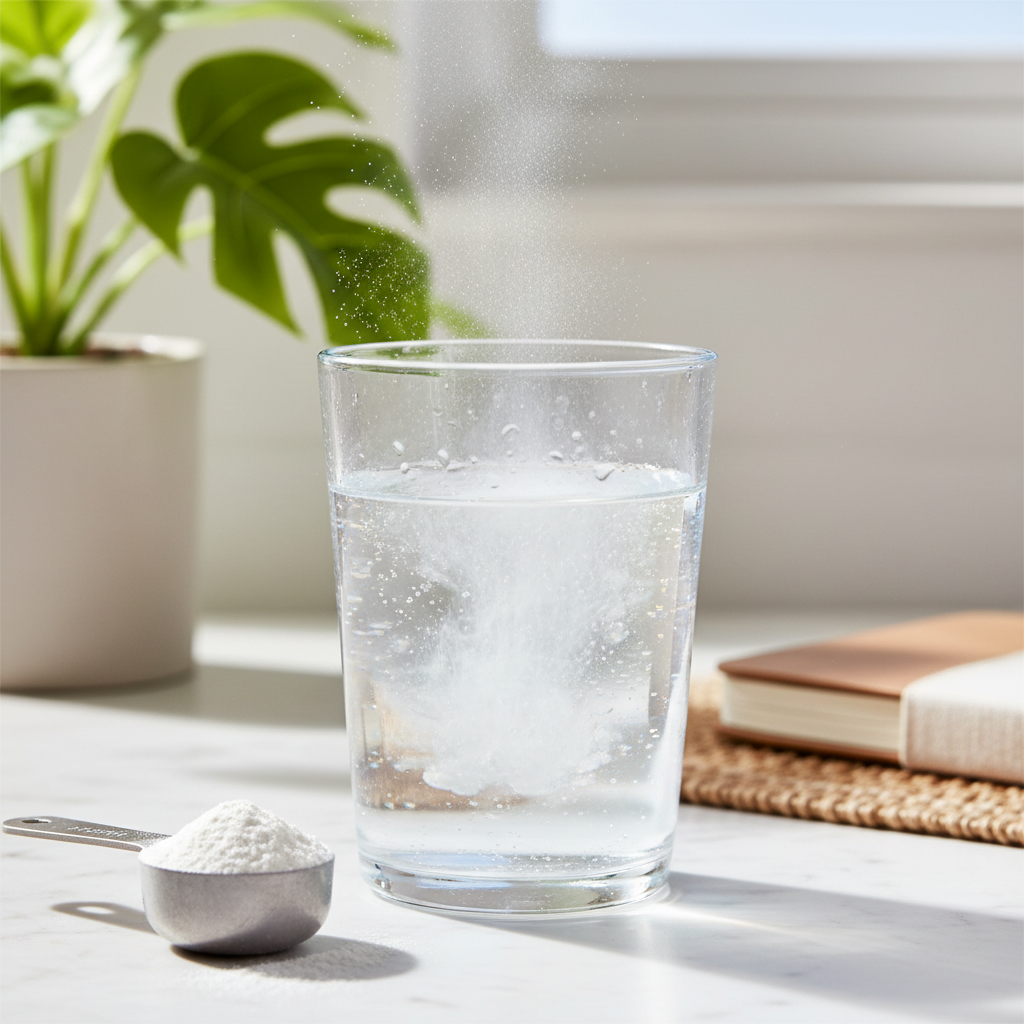
Collagen benefits include improved skin elasticity, increased hydration, and a reduction in visible signs of aging by supporting the body's structural protein levels. Research suggests that these peptides also promote joint mobility and bone health; they may even help alleviate symptoms of osteoarthritis as natural production decreases over time. Consuming collagen through supplements or bone broth helps maintain the vital connective tissues necessary for overall physical wellness.
As we age, the structural integrity of our bodies begins to shift in ways we often feel before we see. You might notice a persistent stiffness in your joints after a morning walk, or perhaps your skin lacks the resilient hydration it once held. These changes are frequently tied to the natural decline of collagen, the essential protein that functions as the primary glue for our connective tissues. Maintaining these levels is not merely a matter of aesthetics; it is a fundamental requirement for sustained mobility and cellular health. In this guide, we will examine the physiological role of collagen in skin elasticity and joint function. You will learn the distinct advantages of traditional bone broth compared to modern peptides, alongside practical strategies for selecting the highest quality sources to optimize your daily wellness routine.
Understanding Collagen: The Glue That Holds Your Body Together
Collagen is the most abundant protein in the human body, serving as the essential structural scaffold for your skin, bones, and connective tissues. It functions as a biological glue, providing the tensile strength and elasticity required for everything from healthy tendons to firm skin. While your body synthesizes this protein naturally, peak production is relatively short lived.
Research indicates that collagen levels begin to decline in your mid 20s, typically at a rate of about 1 percent per year. This gradual decrease often results in the first visible signs of aging and a loss of structural integrity within the joints. For those in Fillmore who spend their weekends hiking the Pahvant Range or working active ranch jobs, this decline can translate into persistent stiffness or reduced mobility after a long day outdoors.
Focusing on collagen benefits through supplementation or a diet rich in whole foods becomes increasingly vital as the years pass. By providing the body with the necessary amino acids to support its internal framework, you can mitigate the structural effects of natural aging. At Alvin Health, we provide quality nutrition products and knowledgeable guidance to help you navigate these choices, ensuring your body remains resilient and balanced for the long term.
Collagen Benefits for Skin Elasticity and Hydration
The most visible impact of declining collagen is often found in the mirror. As the structural foundation of the dermis weakens, skin loses its ability to bounce back, leading to fine lines and a duller complexion. While many people reach for expensive topical creams, these products often sit on the surface because collagen molecules are generally too large to penetrate the skin's deeper layers. Internal supplementation offers a more direct route to deep structural health. When you consume collagen peptides, you provide your body with short chains of amino acids that act as messengers. These peptides signal your fibroblasts, the cells responsible for collagen production, to increase their output of natural collagen, elastin, and hyaluronic acid.
This internal process is what creates the healthy glow and firmness that many users look for to maintain a youthful appearance. You may wonder how to track your progress during the first few months of use. Customers often ask about the specific signs that their regimen is working. Typically, you will notice improvements across several areas:
Stronger nails that are less prone to chipping or peeling.
Faster hair growth and a noticeable increase in shine.
Improved skin texture and a smoother feel to the touch.
Enhanced skin hydration, resulting in a more supple appearance.
A visible reduction in the depth of fine lines and wrinkles.
By addressing these dermatological needs from the inside out, you support the skin’s natural barrier and moisture-retention capabilities. This systemic approach ensures that the collagen benefits you experience are not just temporary surface fixes, but genuine improvements to your body's structural resilience. For those seeking knowledgeable guidance on which specific peptides to choose, focusing on bioavailable sources is the most practical first step toward lasting results.
Supporting Joint Mobility and Bone Density
While the cosmetic changes are encouraging, the structural collagen benefits for mobility are often what keep our Fillmore neighbors active. In a community where daily life involves the physical demands of ranching, farming, or long treks through the Pahvant Range, maintaining joint integrity is a practical necessity. Collagen serves as a primary component of cartilage, the rubber like tissue that cushions the ends of bones and allows for smooth, pain free movement. When cartilage wears down due to age or repetitive strain, the resulting friction leads to the stiffness and discomfort many associate with a long day of hard work.
Research highlighted by Medical News Today and BBC Good Food suggests that supplemental collagen can play a significant role in reducing activity related joint pain and protecting bone density. This is particularly relevant because bones are not static; they are living tissues that require a protein matrix to remain strong. Collagen provides the flexible framework upon which minerals like calcium are deposited. Without sufficient collagen, bones can become brittle, increasing the risk of fractures and long term degradation.
For those focused on tendon repair or cartilage maintenance, consistent intake helps support the body’s natural regenerative processes. By providing the specific amino acids needed to rebuild connective tissues, you give your body the tools it needs to recover from the stress of steep trails or heavy lifting. Utilizing quality nutrition products as part of a daily routine ensures these structural components are readily available. If you need knowledgeable guidance on how to support your skeletal health through changing seasons of activity, focusing on these internal building blocks is a foundational step for long term balance.
The Bone Broth Connection: Why Traditional Methods Still Matter

Modern supplementation often focuses on convenience, yet traditional bone broth remains one of the most effective ways to access collagen in its whole food form. When you simmer animal bones and connective tissue over low heat for 12 to 24 hours, the heat slowly breaks down the large collagen molecules into gelatin. This gelatin is what gives a properly made broth its characteristic jiggle when cooled. It provides a rich matrix of amino acids like glycine and proline that are foundational to the collagen benefits discussed in previous sections.
To maximize the extraction process, use the acid trick. Adding a tablespoon or two of raw apple cider vinegar to the pot helps pull essential minerals and collagen from the bone matrix more effectively. This ensures you are getting the most out of your ingredients during the long simmer. While the Mayo Clinic notes that bone broth is a highly nutritious source of vitamins and minerals, it is important to understand its limitations. Unlike hydrolyzed peptides, bone broth has a varying amino acid profile depending on the types of bones used and the specific cooking time. It serves as a fantastic whole food foundation for general wellness, even if it lacks the standardized concentration found in quality nutrition products. For those seeking knowledgeable guidance on balancing traditional recipes with modern convenience, understanding these nuances helps you build a more sustainable and effective wellness routine.
Collagen Peptides vs Bone Broth Powder: Which Should You Choose?

Choosing between collagen peptides and bone broth powder depends entirely on your specific wellness objectives. Collagen peptides, often labeled as hydrolyzed collagen, undergo a process that breaks the protein into shorter chains of amino acids. This makes them highly bioavailable, allowing the body to absorb and utilize them quickly. If your primary aim is to maximize collagen benefits for skin elasticity or joint recovery, these concentrated peptides are the most efficient option.
Bone broth powder offers a different profile. It is produced by dehydrating slow cooked broth, retaining a broader spectrum of nutrients including minerals and glucosamine. This whole food approach is excellent for supporting gut health and overall nutrient density. While collagen gummies are a common alternative, they frequently contain added sugars and significantly lower dosages, making them less effective for those seeking therapeutic results.
Supplement Form | Best For | Key Characteristic |
|---|---|---|
Collagen Peptides | Targeted Skin & Joint Repair | High bioavailability; fast absorption |
Bone Broth Powder | Gut Health & General Wellness | Whole food profile; mineral rich |
Collagen Gummies | Convenience | Low dosage; often contains sugar |
At Alvin Health, we recommend peptides for those tracking specific physiological changes and bone broth powder for general foundational support. Selecting quality nutrition products ensures you avoid unnecessary fillers. If you are unsure which form fits your lifestyle, our team provides knowledgeable guidance to help you choose the supplement that aligns with your health history.
Practical Tips: How to Use Collagen Peptides for Maximum Results
Integrating collagen into your routine is straightforward because of its versatility. A common question involves timing: is it better to stir it into your morning coffee or take it before bed? While some suggest nighttime intake supports repair during sleep, there is no definitive evidence that timing changes the biological outcome. The most effective schedule is the one you can stick to every day.
Because hydrolyzed collagen peptides are heat stable, you can add them to hot coffee, tea, or even simmering soups without damaging the protein structure or losing nutritional value. This stability makes it one of the easiest quality nutrition products to incorporate into a busy lifestyle. At Alvin Health, we often recommend stirring unflavored peptides into a morning bowl of oatmeal or blending them into a post workout smoothie. The powder dissolves completely in both hot and cold liquids, making it an invisible way to boost your protein intake without changing the flavor of your food.
Patience is necessary for those seeking significant physiological improvements. While you might feel minor shifts sooner, clinical data suggests it typically takes 8 to 12 weeks of daily use to observe measurable collagen benefits in skin elasticity or joint comfort. If you need knowledgeable guidance on adjusting your dosage based on your specific activity levels in Fillmore, focusing on this consistent 90 day window will provide the clearest picture of your progress.
Sourcing and Quality: What to Look for on the Label

Selecting a supplement requires moving past marketing claims to examine the specific origin of the protein. High-quality collagen starts with the lifestyle of the animal. For bovine sources, look for grass-fed and pasture-raised certifications. These labels ensure the animals were raised without routine antibiotics or hormones, which directly impacts the purity of the end product. If you prefer marine sources, wild-caught is the standard to seek, as it avoids the potential contaminants sometimes found in farm-raised fish operations.
Understanding the specific types of collagen listed on the label is equally critical for achieving desired collagen benefits. Most supplements prioritize three primary types:
Collagen Type | Primary Source | Targeted Use |
|---|---|---|
Type I & III | Bovine or Marine | Skin elasticity, hair, nails, and bone matrix |
Type II | Chicken or Marine Cartilage | Joint cushioning and cartilage health |
Type I and III are often bundled because they work together to support the body's structural integrity and dermal thickness. Type II is specialized for those specifically addressing joint wear and tear. At Alvin Health, we curate quality nutrition products that clearly state these types and their origins. This transparency allows us to provide knowledgeable guidance so you can avoid unnecessary fillers and choose a formula that matches your specific health goals, rather than a generic, one-size-fits-all solution.